
What Equipment is Needed for a Skin Assessment?

In this article, we’ll walk through the main categories of skin assessment equipment and then zoom in on professional skin analysis devices—showing how they fit into clinical, aesthetic, and commercial settings, and why they’ve become a central tool for data-driven skincare decisions.
What are the main categories of skin assessment equipment?
|
Category |
Description |
|
Pressure injury risk assessment tools |
Tools used to evaluate a patient’s risk of developing pressure injuries or pressure ulcers. |
|
Wound monitoring and healing tools |
Tools used to observe, measure, and track the healing progress of skin wounds. |
|
Skin biophysical and diagnostic instruments |
Devices that measure physical and functional properties of the skin, such as moisture, sebum, elasticity, and barrier function. |
|
Visual observation and documentation tools |
Aids that support visual inspection and standardized recording of skin findings over time. |
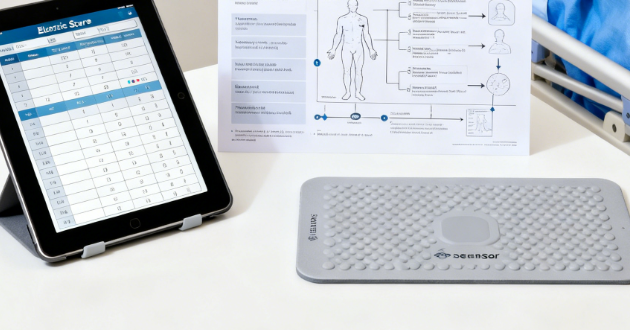
Clinical tools: Pressure injury risk assessment
In hospitals and care facilities, clinicians often use a range of pressure injury (pressure ulcer) risk assessment scales to judge how likely a patient is to develop skin breakdown. These tools are designed primarily to support nursing and care decisions, rather than to directly measure the skin’s physical properties, but they help readers understand the broader meaning of “skin assessment” in a clinical context.
|
Assessment Tool |
Key Factors |
|
Braden Scale |
Sensory perception, moisture, activity, mobility, nutrition, friction/shear |
|
Norton Scale |
Physical condition, mental state, activity, mobility, incontinence |
|
Waterlow Scale |
BMI, skin type, mobility, nutrition, continence |
|
Cubbin–Jackson Scale |
Pressure injury risk in ICU patients |
In short, these tools are scoring scales: they combine multiple factors to help nurses and doctors determine the appropriate level of care and preventive measures. They fall under clinical risk assessment, rather than device-based skin analysis.
Wound Monitoring and Healing Tools
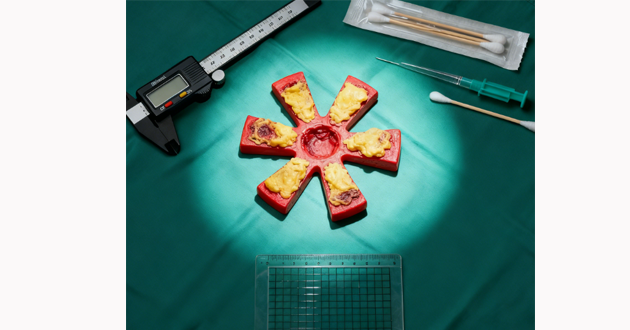
To help readers understand localized skin and wound assessment, this section looks at the basic tools used to follow how a wound changes over time. These methods provide concrete measurements and visual records, creating a more objective basis for clinical decisions and laying the groundwork for more advanced skin analysis technologies. By tracking wound size, tissue condition, and overall appearance at regular intervals, clinicians can see whether a chosen treatment is helping or if it needs to be adjusted. Consistent documentation also makes it easier for different members of the care team to stay aligned and supports clearer long-term follow-up. In this way, wound monitoring tools transform a simple visual check into a structured, traceable assessment process.
|
Tool |
Purpose / Key Function |
|
PUSH Tool (Pressure Ulcer Scale for Healing) |
Tracks healing progress of pressure ulcers by assessing wound size, exudate amount, and tissue type. |
|
Clinical Photography |
Uses standardized lighting and imaging procedures to document changes in skin or wounds over time. |
|
Measuring Tools (e.g., flexible ruler) |
Measures wound length, width, and circumference; a simple but essential method for wound assessment. |
Skin Biophysical and Diagnostic Instruments
This section marks a shift from general visual observation to instrument-based, data-driven skin assessment. Instead of relying solely on what the eye can see, these devices quantify key skin properties and generate objective values that can be monitored over time. Together, they form the technical backbone of modern skin analysis equipment, which combines multiple measurements and imaging functions within a single integrated system.
|
Instrument |
Purpose / Key Measurement |
|
Cutometer |
Measures skin elasticity and firmness to evaluate laxity or aging. |
|
Tewameter |
Measures transepidermal water loss (TEWL) to assess skin barrier function. |
|
Corneometer |
Measures moisture content in the stratum corneum. |
|
Sebumeter |
Measures sebum levels on the skin surface to determine oiliness and skin type. |
|
Skin pH Meter |
Measures skin surface pH, reflecting barrier health and microbiome balance. |
|
Minolta Chroma Meter |
Quantifies skin color, pigmentation, and tone uniformity. |
Visual Observation and Documentation Tools
These tools support systematic visual inspection and consistent recording of skin findings. They also complement modern skin analysis devices, which increasingly integrate imaging, lesion mapping, and digital record management into one workflow.
|
Tool |
Purpose / Key Function |
|
Fitzpatrick Scale |
Classifies skin types (I–VI) based on UV response; guides sun care and light/laser treatment settings. |
|
Magnifying Lens / Dermatoscope |
Provides magnified, well-lit views of lesions, pigmentation, and vascular structures. |
|
Body Diagrams / Standardized Charts |
Used to mark lesion locations and document changes for long-term follow-up. |

The Core Role of Professional Skin Analysis Equipment
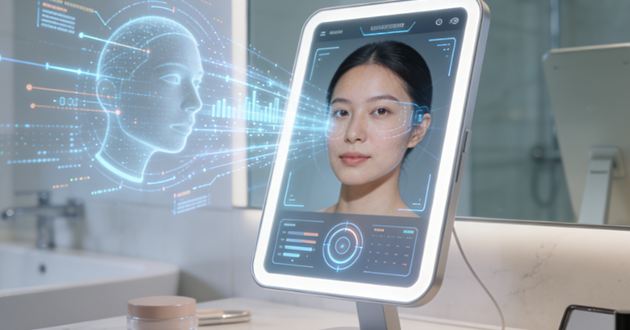
This section looks at how professional skin analysis equipment supports truly in-depth skin assessment and how multiple technologies can be combined in a single skin analysis device. Instead of relying only on what the eye can see, modern skin analysis brings together imaging, biophysical measurements, AI, and reporting into one integrated workflow.
Core Functional Modules of a Skin Analysis Device
1. Multispectral / Multi-angle Imaging
The imaging system is the core of any professional skin analysis device. By using different types of light—such as visible, UV, and polarized light—and capturing the face from multiple angles, the device collects information from both the surface and deeper layers of the skin. This makes it easier to reveal concerns like early pigmentation, diffuse redness, or clogged pores that may be missed in a normal visual check and creates the visual foundation for instrument-based skin analysis.
2. Integrated or External Probes
On top of imaging, advanced skin analysis equipment can be fitted with built-in or external biophysical probes to measure key skin parameters. Typical measurements include skin moisture (similar to a Corneometer), sebum levels (similar to a Sebumeter), and other specific indicators depending on the setup. These readings provide objective numerical data that complement the images, turning a simple photo session into a combined visual-and-instrument skin analysis.
3. Image Recognition and AI Analysis
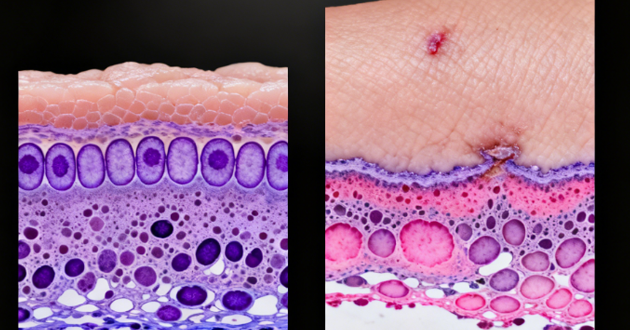
Once the images are captured, the software inside the skin analysis device steps in. Using image recognition and AI, the system automatically evaluates common concerns such as pigmentation and dark spots, redness and sensitivity, acne and blemishes, pore size and texture, fine lines and wrinkles, and overall skin type. Instead of raw photos, professionals receive structured, easy-to-read results, and clients can quickly understand their skin analysis without being overwhelmed by technical details.
4. Reporting and Recommendation System
All of the collected data is then brought together in a built-in reporting and recommendation module. The skin analysis equipment can generate clear, organized skin reports that highlight key risk areas, summarize the main issues, and suggest care priorities—for example, focusing on hydration, barrier repair, brightening, or anti-aging. These reports provide a strong basis for personalized skincare plans, make it easier to communicate findings to clients, and support consistent before-and-after comparisons over multiple visits, truly bringing the value of professional skin analysis into everyday practice.
Advantages Over Traditional Single-Metric Instruments
Unlike single-purpose tools that measure only one aspect of the skin, professional skin analysis equipment provides a much more complete and efficient view in a single session. One full scan with a skin analysis device can capture multiple indicators at the same time—hydration levels, sebum output, pigmentation patterns, texture irregularities, sensitivity tendencies, and early signs of aging. This multidimensional skin analysis not only shortens the assessment process but also creates a consistent baseline for comparing results over future visits.
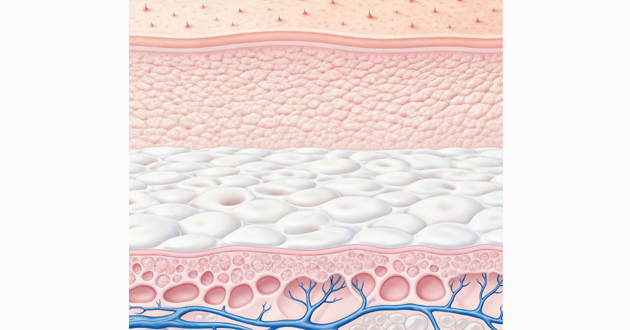
Another major advantage is how clearly the results can be visualized. Instead of showing disconnected numbers, the system can present facial zone maps, color-coded heat maps, and distribution charts. These visuals help practitioners and clients quickly see where the main concerns are and understand why certain treatments or products are being recommended. Because the output fits naturally into real consultation workflows—assessment, explanation, and progress tracking—professional skin analysis equipment strengthens communication and builds greater trust between professionals and customers.
Application Scenarios
In medical and aesthetic clinics, a skin analysis device brings structure and clarity right from the start of a treatment plan. It supports detailed pre-treatment evaluation, helps clinicians choose suitable techniques or parameters, and provides measurable data for tracking results over time. This makes the treatment journey more transparent and gives both practitioners and patients a clear, shared reference when reviewing improvements.
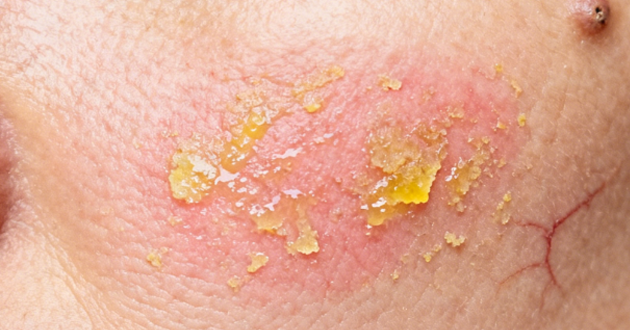
In beauty salons and retail skincare counters, professional skin analysis equipment turns a basic consultation into a more scientific, personalized experience. Product recommendations are based on objective skin analysis data rather than quick visual guesses, which enhances the consultant’s credibility. At the same time, easy-to-read reports and images encourage deeper discussions with customers, improving engagement and encouraging them to return.
In dermatology out-patient settings, a skin analysis system works alongside the clinical exam as a structured documentation and monitoring tool. It allows skin status to be tracked quantitatively from visit to visit, with visual records that can be reviewed together with the patient. This clearer picture of progress helps patients better understand their own skin, supports adherence to treatment plans, and ultimately contributes to better long-term outcomes.
Thanksgiving Special Discount — Limited Time Only!
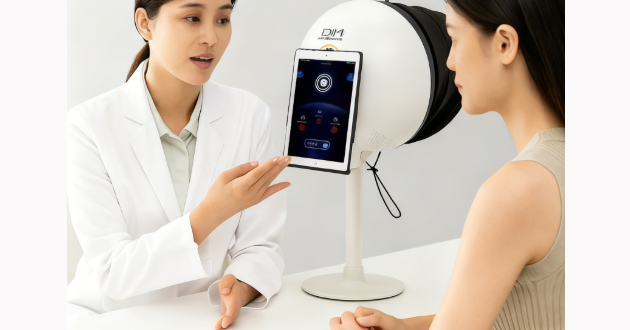
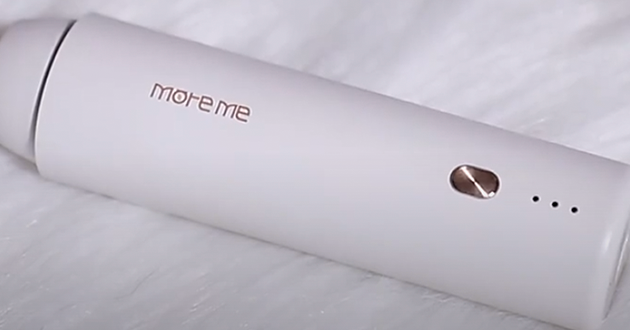
This Thanksgiving, we’re showing gratitude to our partners and customers with a limited-time holiday discount on the Moreme Smart Skin Analyzer!
Whether you're upgrading your clinic, expanding your beauty salon, or enhancing your skincare consultation services, there's no better time to invest in advanced AI-powered skin analysis.
Unlock professional multispectral imaging, precise biophysical measurements, and intelligent skin reporting—all at a special holiday price.
Happy Thanksgiving from the Moreme family!
Read more:
https://www.djmimoreme.com/resources/blog/how-accurate-are-skin-diagnostic-machines.html
https://www.djmimoreme.com/resources/blog/what-are-the-different-types-of-skin-analysis.html
Conclusion
Skin assessment today is no longer limited to what the eye can see. Pressure injury risk scales support preventive care, wound monitoring tools provide measurable healing data, biophysical instruments quantify key skin functions, and visual documentation tools ensure findings are recorded clearly over time. Together, they create a structured framework for understanding skin health in both clinical and everyday practice.
Table of Contents
Related information


How can we help you?
Have specific questions or requests? Fill out our inquiry form, and our dedicated team will get back to you promptly. Your inquiries are important to us, and we are committed to providing comprehensive and personalized responses tailored to your needs.


 Reach out to us today!Whether you are preparing to start your own
business in the beauty industry, are ready to upgrade your
equipment, or are just interested in our products,Contact us
today, and let’s explore how we can partner to achieve your goals
and drive your success to new heights!
Reach out to us today!Whether you are preparing to start your own
business in the beauty industry, are ready to upgrade your
equipment, or are just interested in our products,Contact us
today, and let’s explore how we can partner to achieve your goals
and drive your success to new heights!
